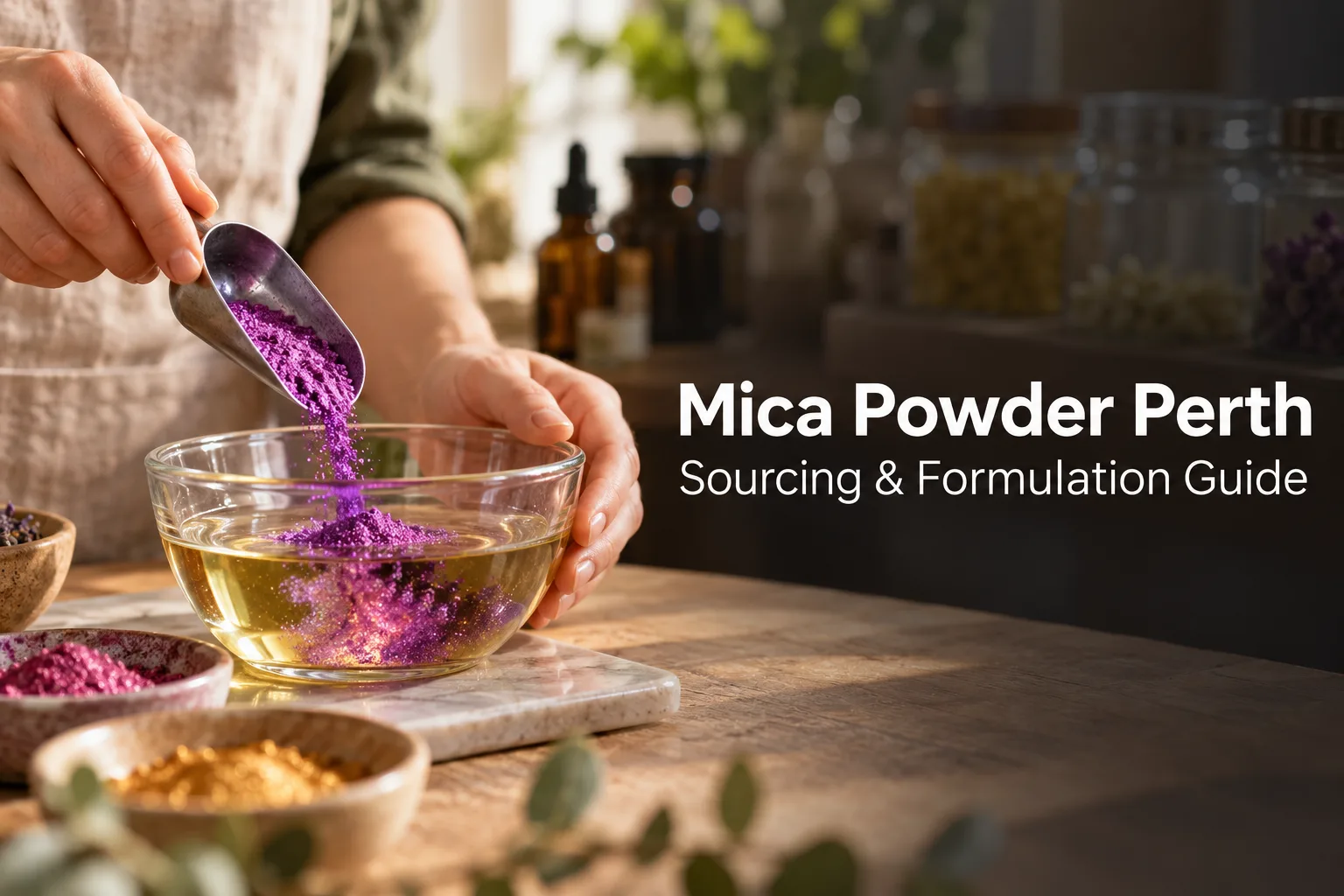
Understanding Mica Powder and Its Applications
Mica powder is a natural mineral pigment that adds a luminous, shimmering finish to a wide range of products. It is a versatile ingredient used extensively in soap making, resin art, candle crafting, and cosmetic formulation. The right mica can transform a simple handmade product into something that looks professionally crafted. Whether you are adding a subtle glow to a lip balm or a vibrant metallic finish to an epoxy table, the quality and grade of the mica you choose directly affect the final result. Consistency in colour, particle size, and purity is critical for formulators who rely on repeatable results across batches. Because the raw materials industry supplies everything from industrial coatings to personal care ingredients, understanding the specific properties of the mica you are purchasing is the first step toward a successful project.
Choosing the Right Grade for Your Project
Not all mica powders are suitable for every application. The most important distinction is between cosmetic-grade and industrial-grade mica, and the choice depends entirely on how the finished product will be used.
Cosmetic vs. Craft Grade
Cosmetic-grade mica is manufactured to strict purity standards. It is tested to be free from heavy metals and other contaminants, making it safe for skin contact. This grade is mandatory for any product applied to the body, including eyeshadows, highlighters, lip products, soaps, and bath bombs. Craft-grade mica is suitable for projects that do not involve skin contact, such as resin jewellery, polymer clay, paintings, and home décor. Regulatory bodies like the Australian Industrial Chemicals Introduction Scheme (AICIS) provide clear guidelines for cosmetic ingredient safety, and formulators should always verify that their suppliers meet these standards.
Synthetic vs. Natural Mica
Natural mica is mined from the earth, but its supply chain can be associated with ethical concerns, including child labour in some regions. Synthetic mica, also known as fluoro-phlogopite, is created in a laboratory. It offers brilliant, consistent colour without the risk of impurities found in natural sources. Synthetic mica is increasingly popular in premium cosmetic and craft formulations because it provides a clean, reliable colour base and often delivers a brighter shimmer.
Why Local Sourcing Matters in Perth
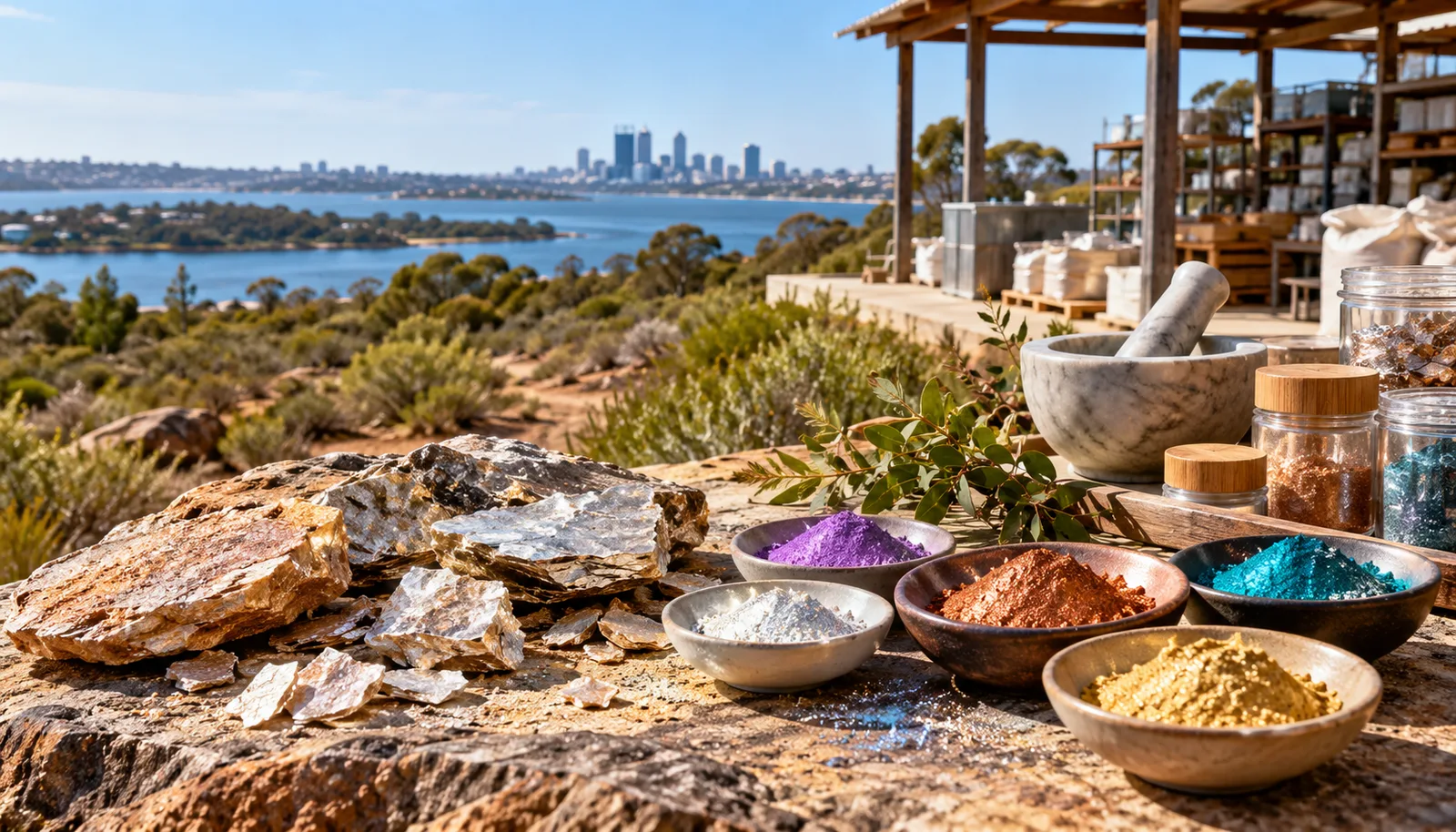
For creators and formulators in Western Australia, finding a dependable local supplier streamlines the entire creative process. When you search for mica powder perth, you are typically looking for a business that understands the local market and offers fast, reliable access to high-quality raw materials. Shipping raw ingredients from interstate or overseas can introduce delays and inconsistencies, especially when temperature or handling conditions affect the product.
Range Products has been serving the Perth community from its Welshpool location for over 30 years. They stock a comprehensive range of raw ingredients, including mica powders, essential oils, carrier oils, and base products. Being able to visit the showroom at 6/138 Radium Street allows customers to assess the quality and colour range in person before committing to a purchase. This hands-on approach is invaluable for formulators who rely on consistency and want to avoid the guesswork of ordering online. With a strong reputation in the local community and a 4.6-star rating from over 225 reviews, Range Products is a trusted name for raw ingredients in Western Australia.
The quality of your raw ingredients is the foundation of your finished product, and local sourcing gives you the confidence of seeing exactly what you are buying.
Best Practices for Formulating with Mica
Successfully incorporating mica into your products requires attention to technique. Here are a few key considerations for achieving the best results:
- Dispersion: Mica should be mixed into a liquid medium such as oil, glycerin, or alcohol before being added to a base. This prevents clumping and ensures an even distribution of colour throughout the product.
- pH Stability: In cold-process soap making, the high pH environment can alter the colour of some mica. Always test a small batch or look for mica specifically labelled as soap-stable to avoid unexpected colour shifts.
- Usage Rates: A little goes a long way with mica. Start with a small amount and increase gradually until the desired opacity and shimmer are achieved. Overloading a formulation can affect the texture and performance of the final product.
For those interested in the deeper chemistry of cosmetic formulation, professional organisations such as the Society of Cosmetic Chemists offer extensive resources on ingredient interactions and stability testing.
Sourcing Quality Raw Ingredients in 2026
The landscape of raw material supply demands transparency and consistency. A reliable supplier provides detailed specifications, batch numbers, and clear documentation for traceability. This is especially important for businesses that need to meet regulatory requirements or maintain consistent branding across product lines. Range Products, with its extensive experience in the essential oils and natural ingredients sector, is a trusted partner for both businesses and hobbyists. The importance of ingredient traceability and quality assurance is widely discussed across the raw materials industry, and choosing a supplier with a proven track record protects your investment in your craft. Whether you are formulating a new skincare line or creating handmade gifts for the local market, the quality of your ingredients defines your final product. By choosing a reputable local supplier, you ensure that your creativity is supported by the best possible materials.